This is part of a series of articles documenting the experience of how we handled the first broken bone in our family. In part 1 (which you can read here) my son broke his arm at a trampoline park, my wife went to one hospital, then another, and then we waited for the x-ray machine to be available.
We ended up waiting about two hours for the x-ray machine. There’s a lesson here. The hospital has its own rhythm and timing. There are a lot of delays. Your doctor is often just as eager as you to get started, but there are dependencies on other roles (like x-ray imaging or anesthesia) that cause backups. As a dad, you should be pleasant and direct with the hospital staff. Ask for what you want plainly and persistently, but be nice about it. Being mean will only make the hospital staff ghost you.
Lesson #2: Be direct and pleasant when you ask for what you want. Be persistent and work with the staff instead of against them.
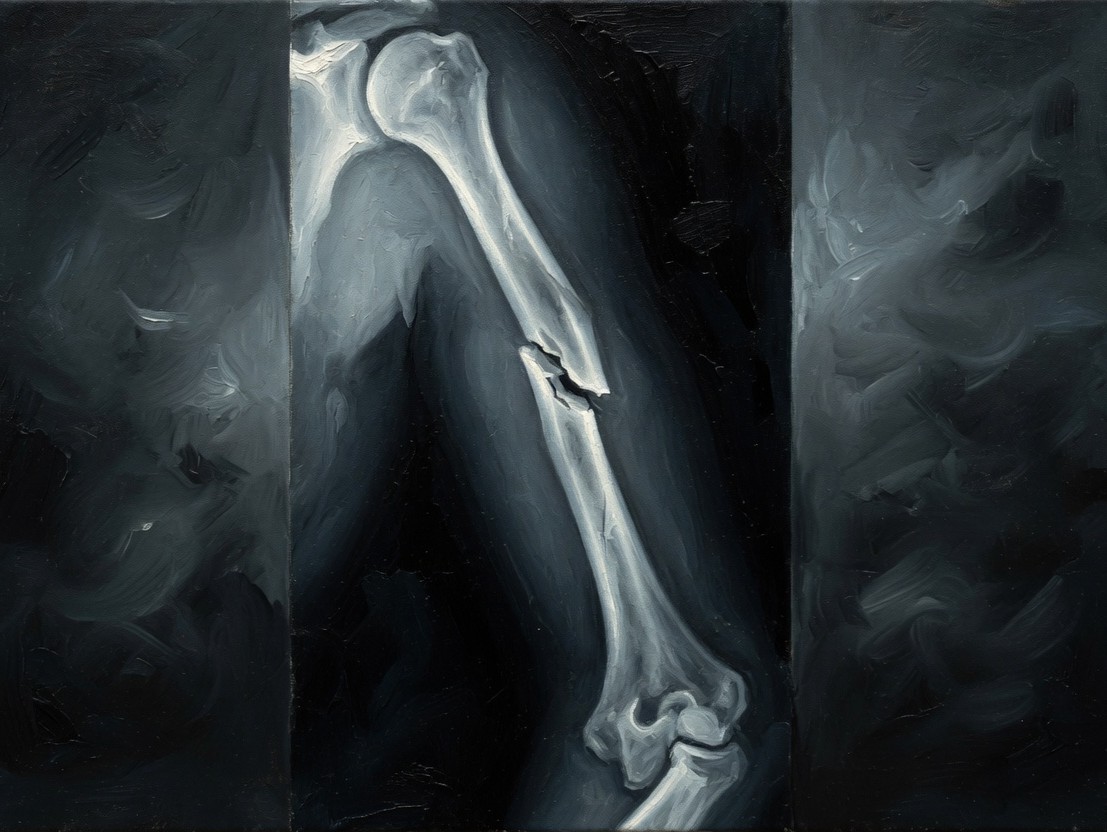
When the x-ray machine finally made its way down to the children’s ER. The x-ray revealed that my son had snapped both of the bones in his forearm near the wrist. It was a transverse fracture of the radius and ulna. Apparently, this is also called a matchstick fracture because the bones snap like matchsticks. (How pleasant!)
The doctor was great. He was kind to my son and treated him with all of the courtesy due an adult. He explained the procedure and what he was going to do. We went back, they gave my son medicine to knock him out, and they pulled the bones back into place.
The doctor did a great job, taking time to realign the bones again and again until the overlap was good and the angle was right. It turns out the bones don’t need to be perfectly aligned, especially in children since they have super healing powers.
As long as the bones have an overlap of 50% or greater, the body can take care of the rest during the healing process. The doctors are actually more concerned with the angles being correct so that when the bones do knit back together, they heal in a straight line.
It took my son a while to come out from anesthesia. I waited patiently by his side. Every 10 minutes or so he would startle awake and look around bewildered. I would talk with him, tell him he did a great job, assure him that we weren’t in a hurry, and let him know he could close his eyes again. Somewhere around the fifth or sixth time he was ready to wake up.
We moved back to the waiting room and they gave him a popsicle while they waited for the nausea to pass. Nausea is a common side effect of anesthesia. It took about an hour for it to fully pass. That meant more distracting conversations, but this time we could talk about his new cast.
Finally, it was time to go home. All told, we were at the hospital from 12 pm to 6 pm. It was about 6 hours total. It took about 2 hours to wait for the x-ray, 2 hours for the procedure, and 2 hours for recovery afterward.
I can see how it could have easily taken 12 hours if there had been a long line ahead of us. The waiting lines in the ER typically start getting longer in the evenings and on the weekends. My understanding is that Saturday nights and holidays are the worst.
We walked across the street to the Chick-Fil-A and splurged on dinner. We were both really hungry as we had skipped lunch due to the emergency. He was allowed to order whatever he wanted. We bought way too many chicken nuggets, way too many french fries, and two large lemonades.
We toasted to him handling the entire ordeal like an adult and feasted in the car on the way home. He seemed really proud of how he had handled everything. And I was proud of him as well, so I made sure to point it out and celebrate it.
I wanted to make sure he knew how impressive it was that he had acted so stoically in the face of an emergency. It’s the kind of behavior I want all of my kids to exhibit, both, for their own benefit as well as for the benefit of the family when times get tough.
In the next episode in this series, I’ll explore what healing at home looked like.
 English